





 Back to Search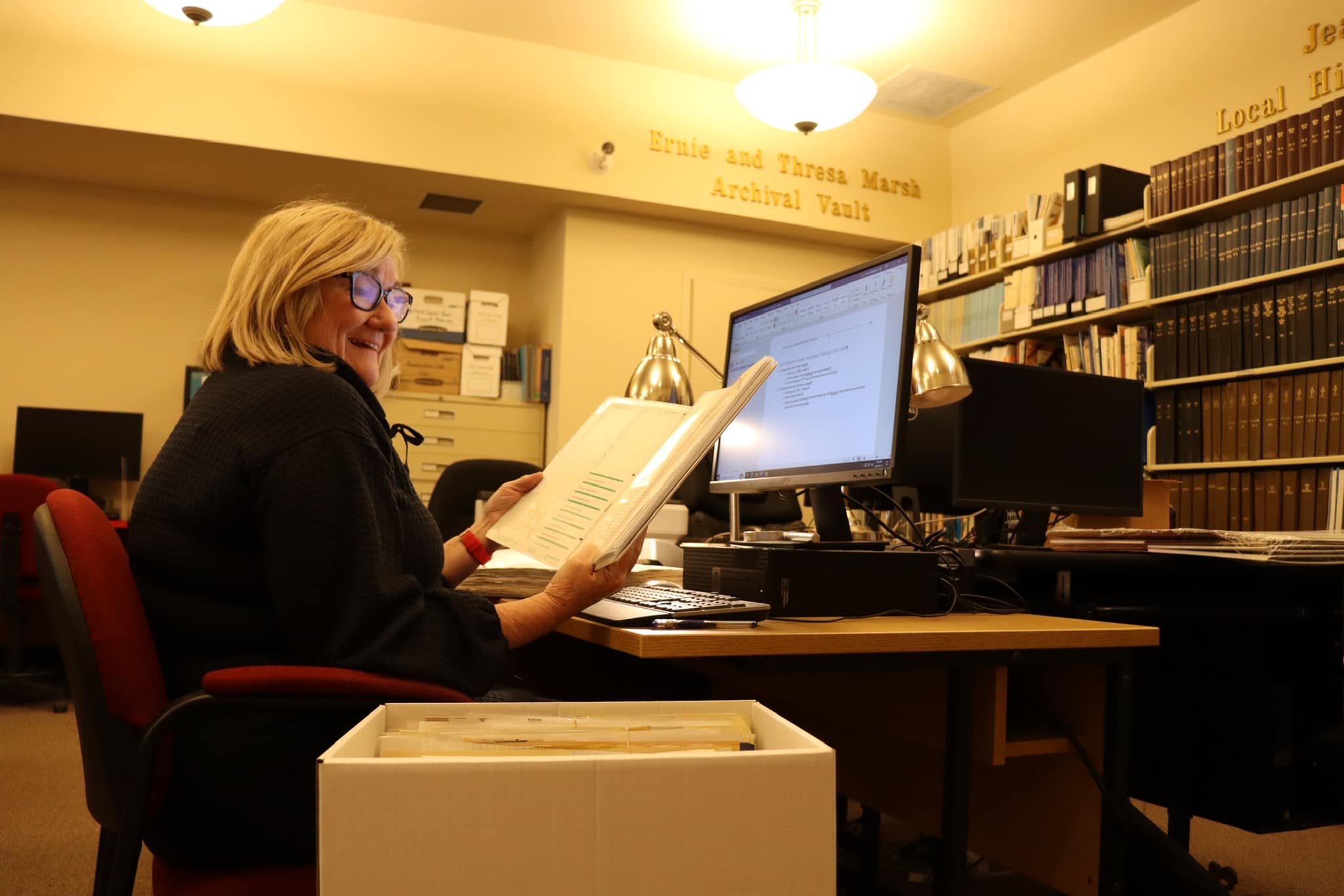
The third week of February marks Heritage Week in Ontario, during which we celebrate heritage in all its forms and how it is conserved, promoted, and commemorated for generations to come. This week we have taken the opportunity to celebrate the theme of ‘Making Heritage Accessible’ by showcasing the efforts being made to make heritage resources available for all to learn from. One of the ways the Department of Museum and Culture makes heritage resources accessible is through the L.R. Wilson Heritage Research Archives collection.
The L.R. Wilson Archives' research collection includes documents, photographs, maps, newspapers, files, and books. Some documents in our collection have been digitized and can be searched online. As a way to showcase what can be accessed through these resources and how to do so, we have chosen to share how Archives staff work with the Heritage Committee to create heritage property reports.
The Port Colborne Heritage Committee advises City Council on matters relating to heritage designations, and related issues. When the Heritage Committee needs information on a heritage structure or property, the Archives staff are asked to prepare a report for the committee. These reports include the history of the property, a description of the architectural features, and a summary of the property’s architectural and historical significance.
We start by conducting a search of the property’s ownership through onland.ca. Using the property’s legal description, we are able to trace the ownership of the property, along with seeing any other items registered to the title, such as mortgages. This is an important first step, since it generates a timeline, and a list of names of owners. We can then work to estimate a date of construction, any significant changes, and look for other relevant sources.
Similarly, we will use available assessment rolls to help us identify not just owners, but tenants as well. The assessments rolls can be very helpful in identifying construction dates.
Other sources we use for the history of the property include air photos, maps, directories, fire insurance plans, earlier heritage surveys, newspapers, local history and family files, archives, historical images, and local publications. It is during these steps that having a timeline of ownership and a list of names of owners can be very helpful in putting together a history of the property and the structures. Sometimes we have lots of sources, which makes the task much easier, but for others, especially rural properties, it can be quite difficult.
Along with site visits, we use visual sources such as the air photos to help us identify key architectural features which also help to date construction of a building and any additions. We make note of historical features still intact in the report, along with the building and layout style.
The final reports which are submitted to the committee are available as part of the committee’s agendas published on the city’s website.
If you have questions about our research collection or any of the resources outlined in this piece, you can contact our staff at archives@portcolborne.ca.
 Subscribe